
Preventing Water Damage at Home: What Chicago Homeowners Should Know
Common household water risks, practical prevention steps, and what to review in your homeowners policy.
A home insurance policy is often purchased to protect a home against major unexpected losses. But what happens when a small problem develops into a costly repair? A pipe may leak behind a wall, a washing machine hose may fail, or a roof leak may go unnoticed until water stains appear on the ceiling. For homeowners in Chicago and across Chicagoland, knowing how to prevent common household water damage—and understanding what a homeowners policy may cover—can help reduce unpleasant surprises.
Why water damage deserves attention
Water can affect more than the surface where it first appears. A slow leak may damage drywall, flooring, cabinets, insulation, and personal belongings. If moisture remains, it can also create conditions for mold growth. The longer a problem goes unnoticed, the more complicated repairs may become.
Not every water-related loss is treated the same way by a homeowners insurance policy. Coverage often depends on how the water entered the home, whether the event was sudden or gradual, the policy wording, and whether maintenance or neglect contributed to the damage. That is why it is important to understand both prevention and the limits of your coverage.
Common sources of household water damage
Some water problems begin suddenly, while others develop over time. Homeowners commonly encounter issues such as:
- Burst or frozen pipes: Cold weather can cause water in pipes to freeze and expand. If a pipe breaks, water may escape into walls, ceilings, or other parts of the home.
- Appliance failures: Washing machines, dishwashers, refrigerators with water lines, and water heaters can leak or fail, sometimes damaging nearby floors and cabinets.
- Plumbing leaks: Worn connections, aging supply lines, loose fittings, and deteriorating seals can allow water to escape gradually.
- Roof and flashing leaks: Damaged shingles, flashing, or roof penetrations may allow rain or melting snow to enter the home.
- Drain or sump-pump problems: Backups or equipment failures can lead to water entering lower levels, depending on the source and the policy’s coverage.
These examples are not automatically covered simply because they involve water. The cause of the damage and the wording of the policy are important.
What may homeowners insurance cover?
A standard homeowners policy may cover certain sudden and accidental water damage, subject to its terms, conditions, limits, and exclusions. For example, a sudden pipe rupture or an accidental appliance discharge may be treated differently from a slow leak that has continued for months.
Policies commonly distinguish between damage caused by a covered event and the cost of repairing or replacing the item that failed. In some situations, the resulting damage to walls or floors may be considered separately from the worn-out pipe, appliance, or component itself. The exact treatment depends on the policy and circumstances of the loss.
Gradual leaks, ongoing seepage, maintenance-related problems, and water entering from outside the home may be limited or excluded under many policies. Flooding from an external source is generally a separate coverage question and may require a flood insurance policy. Do not rely on a general description—check the actual contract and ask your insurance professional about specific scenarios.
Practical ways to reduce the risk
A few routine checks can help homeowners spot problems earlier:
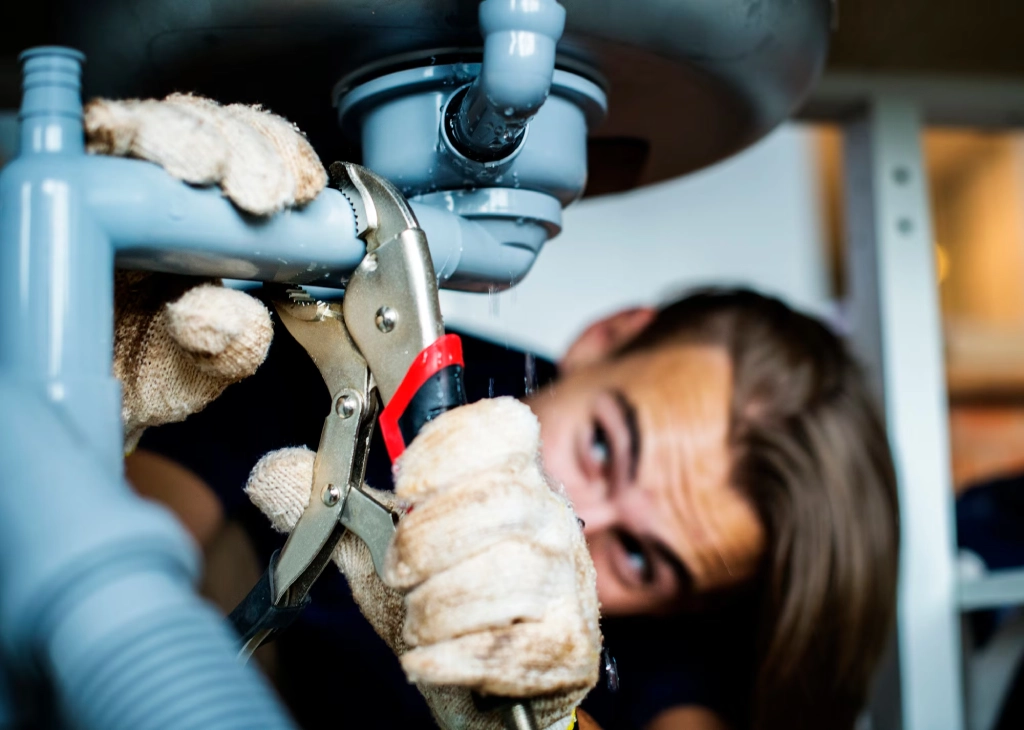
- Check under sinks: Look for damp cabinet floors, water stains, corrosion, or musty smells around plumbing connections.
- Inspect appliance hoses: Check washing-machine and dishwasher hoses for cracks, bulges, leaks, or loose fittings. Replace worn hoses according to the manufacturer’s guidance.
- Know where the main shutoff is: Make sure household members know how to turn off the home’s main water supply in an emergency.
- Pay attention to water bills: An unexplained increase may point to a leak that is not immediately visible.
- Maintain gutters and downspouts: Keep them clear and direct water away from the foundation where possible.
- Check the roof and ceilings: Look for missing or damaged roofing materials, stains, peeling paint, or signs of moisture.
- Prepare for cold weather: Insulate vulnerable pipes and take appropriate precautions during freezing temperatures, following professional advice where needed.
If you discover a leak, take reasonable steps to stop the source if it is safe to do so, protect belongings, and arrange appropriate repairs. Keep photographs, invoices, and records of any work completed.
What should you do if water damage occurs?
First, protect people and avoid electrical hazards. If it is safe, stop the water supply and take reasonable steps to prevent further damage. Photograph the affected areas and damaged belongings before cleanup where practical. Keep receipts for emergency work and temporary repairs.
Contact your insurer or agent promptly to understand the next steps and whether a claim should be reported. Avoid discarding damaged materials before the insurer has had a reasonable opportunity to inspect them, unless removal is necessary for safety or to prevent additional damage. Follow the insurer’s instructions and keep a record of conversations and claim documents.
Review your home insurance in Chicago and Chicagoland
Water damage can raise different coverage questions depending on whether it comes from a plumbing failure, an appliance, a roof leak, a drain backup, or external flooding. Reviewing your policy before a problem occurs can help you understand applicable limits, exclusions, deductibles, and whether optional coverage may be worth discussing.
For a general overview, read our guide to what homeowners insurance covers in Chicago. You can also explore CG Insurance’s products or contact the agency with questions about your current policy.